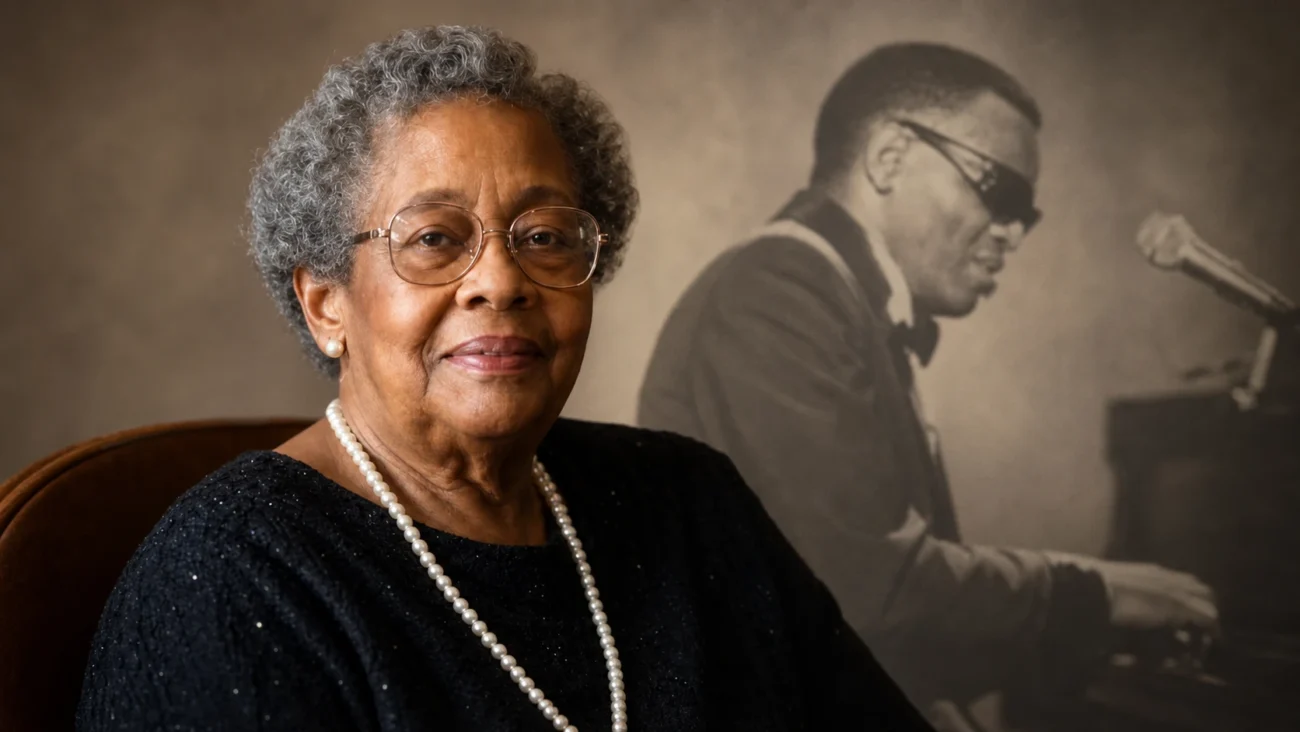
Della Beatrice Howard Robinson is best known as Ray Charles’s second wife, but her life cannot be reduced to a famous marriage. Before Charles became one of the most influential musicians of the 20th century, Robinson had her own connection to music as a gospel singer. She later raised three sons while living through the pressures created by touring, addiction, infidelity, and international fame.
Her public story remains incomplete because she did not pursue celebrity after the marriage ended. Many basic details about her birth, education, finances, and present life are not publicly confirmed. What can be established is a long marriage that covered the most important period of Charles’s rise, a central role in their family, and a later contribution to the making of the 2004 film Ray.
Early Life and Gospel Background
Reliable information about Della Beatrice Howard Robinson’s childhood is limited. Many online biographies state that she was born in 1929, while some give a specific birth date or birthplace. Those claims are widely repeated, but a clear original public record supporting them has not been established.
For that reason, her exact age, date of birth, and birthplace should be treated as unconfirmed. Details about her parents, siblings, schools, and early home life also remain private or poorly documented. The lack of dependable information reflects both her low public profile and the limited records available for many women connected to regional gospel music during the mid-20th century.
Robinson is consistently described as a gospel singer. Her eldest son, Ray Charles Robinson Jr., wrote that her singing voice was one of the qualities that attracted his father. Her musical background is an important part of her identity because it shows that she had an artistic life before becoming associated with Charles.
Some accounts connect her with a gospel group and suggest that she performed publicly before her marriage. A full career timeline, list of recordings, or confirmed performance history has not been preserved in widely accessible sources. She can responsibly be described as a gospel singer, but claims about major commercial success or a long professional discography would go beyond the available evidence.
Meeting Ray Charles
Robinson met Ray Charles during the 1950s, when he was still building his name as a touring musician. Charles had begun developing the sound that would later make him famous, drawing from gospel, blues, jazz, rhythm and blues, pop, and country music. He was gaining attention, but he had not yet reached the level of international recognition that defined his later career.
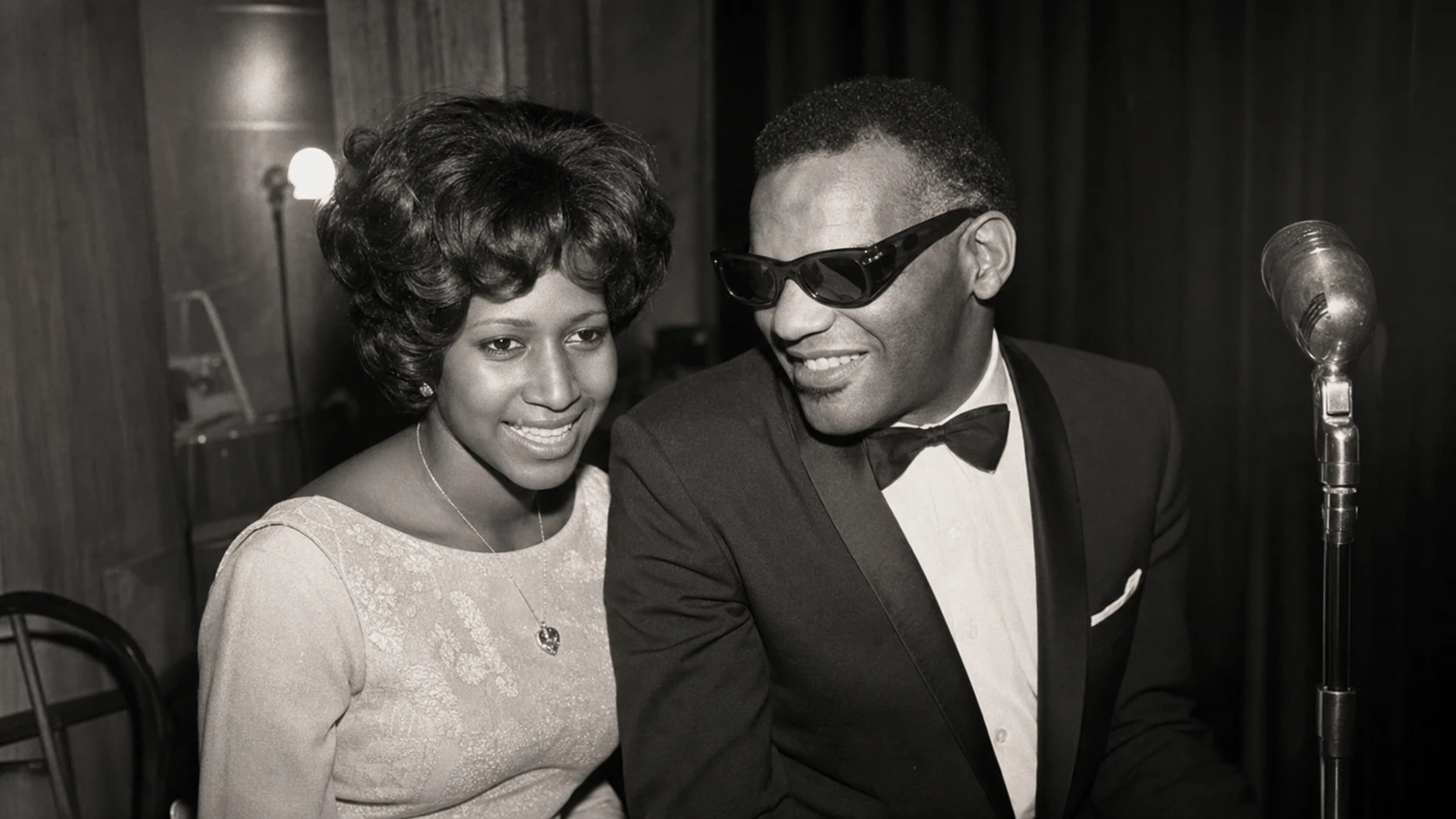
The couple married on April 5, 1955. Robinson was Charles’s second wife; his earlier marriage to Eileen Williams had been brief. The marriage to Robinson would last more than two decades, making her his longest-married spouse.
Their relationship began at a time of rapid change. Charles’s recording career was gathering momentum, and songs such as “I Got a Woman” helped establish his reputation. As his work expanded, he spent long periods traveling, recording, and performing, leaving Robinson to manage much of the family’s daily life.
She did not marry a settled star with a predictable routine. She married an ambitious working musician whose career would soon bring money, influence, constant movement, and serious personal complications.
Marriage and Children
Della and Ray Charles had three sons together. Ray Charles Robinson Jr. was born in 1955, David Robinson followed in 1958, and Robert Robinson was born in 1960. Their children grew up during the years when Charles moved from a successful recording artist to a major figure in American music.
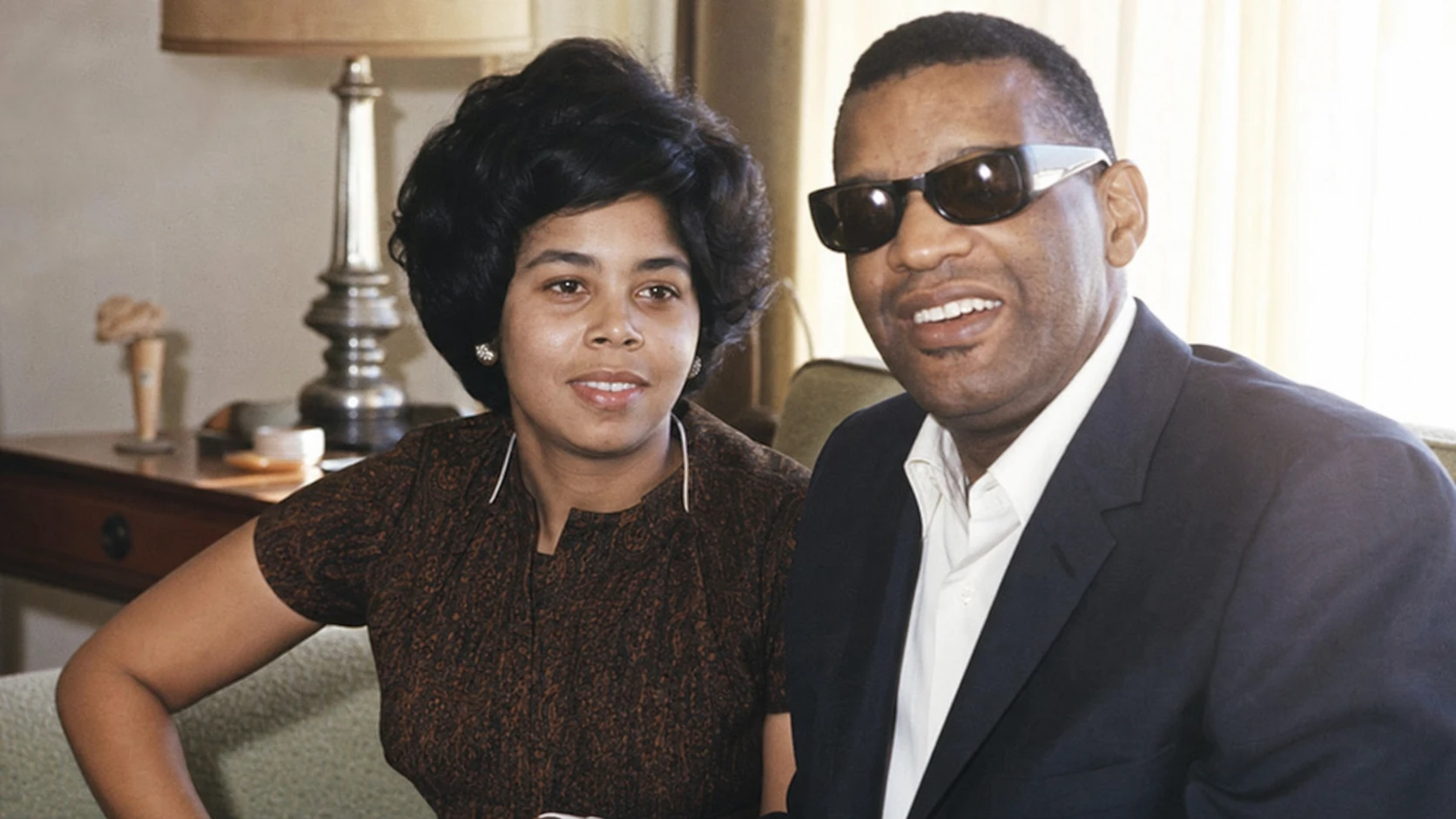
Robinson became the stable parent in a household shaped by her husband’s frequent absences. Touring was central to Charles’s career, and his schedule kept him away from home for extended periods. While he performed and recorded, she carried much of the responsibility for raising their sons and maintaining family routines.
Ray Charles Jr. later wrote about the complicated reality of growing up with a famous father. His memoir described wealth and privilege alongside fear, instability, and emotional distance. It also portrayed his mother as resilient and protective, especially during periods when Charles’s behavior threatened the family’s security.
The marriage gave Robinson and her children financial comfort, but public success did not guarantee peace at home. Charles’s fame brought increased attention, wider access to drugs, and relationships with other women. Robinson had to balance her commitment to the family against circumstances that became harder to accept.
Life During Ray Charles’s Rise
The years of Robinson’s marriage covered many of Charles’s greatest professional achievements. He recorded songs that became standards, crossed musical categories, and reached audiences far beyond the rhythm-and-blues market. His influence grew through recordings such as “What’d I Say,” “Georgia on My Mind,” and the country album Modern Sounds in Country and Western Music.
Robinson lived close to that success without becoming a regular public figure herself. She appeared in family photographs and was known within Charles’s personal circle, but she did not build a separate media career from his fame. Her work was largely domestic and private, which means it generated far fewer public records than his music did.
That imbalance has affected how their shared history is remembered. Charles’s awards, albums, concerts, contracts, and interviews are extensively documented. Robinson’s contributions were tied to parenting, household stability, and emotional endurance, roles that received less public attention.
Her position also required a difficult understanding of the difference between Charles at home and Charles on the road. In interviews connected to the film Ray, she described a boundary between the man who belonged to the family and the public performer who belonged to audiences. That distinction appears to have helped her manage the marriage for years, but it could not resolve the deeper problems.
Addiction and Infidelity
Ray Charles struggled with heroin addiction for many years. His drug use affected his health, legal position, work, and relationships. It also created fear and uncertainty inside his family, especially for Robinson and their children.
His repeated infidelity placed another strain on the marriage. Charles had relationships with several women and fathered children outside his marriage to Robinson. These were not merely rumors attached to a celebrity; his wider family became part of the documented history of his life.
For Robinson, the damage came from a continuing pattern rather than a single incident. Her husband’s travel kept him away, his addiction made his behavior unpredictable, and his relationships with other women repeatedly challenged the trust required to maintain the marriage.
Ray Charles Jr.’s account suggests that his father believed financial provision should have counted heavily in his favor. From Robinson’s position, money could not repair every harm. A comfortable home did not erase the humiliation, absence, or emotional cost of raising children while her husband lived much of his life outside the family.
Divorce From Ray Charles
Robinson reportedly began divorce proceedings in 1973. The divorce became final in 1977, ending a marriage that had lasted approximately 22 years. The gap between the start of proceedings and the final judgment suggests that the separation was a process rather than a sudden decision.
The marriage ended after years of addiction, infidelity, and distance. It would be misleading to point to one event as the sole cause. Robinson had remained through major changes in Charles’s career and personal life before deciding that the relationship could no longer continue.
The terms of the divorce settlement have not been reliably disclosed. Some websites assign Robinson a specific payment or property award, but those figures are usually presented without court documents or direct statements. Any exact claim about what she received should therefore be treated cautiously.
After the divorce, Robinson did not become a recurring source of public commentary about Charles. She largely stepped away from attention and maintained a private life. That choice distinguishes her from former spouses who later build public careers around their connection to a celebrity.
Her Portrayal in Ray
Della Bea Robinson reached a much larger audience through the 2004 biographical film Ray. Kerry Washington portrayed her opposite Jamie Foxx, who played Ray Charles. The film presented Robinson as a strong, emotionally grounded presence trying to hold a family together while confronting addiction and betrayal.
Washington met Robinson while preparing for the role. That contact gave the actress direct insight into Robinson’s personality and experience. Robinson also spoke with screenwriter James L. White, helping the filmmakers understand her view of the marriage.
Her participation gave the character a stronger connection to the real woman, but Ray remains a dramatized film. It compresses time, combines events, and changes chronology to create a clear narrative. Scenes should not be treated as exact reconstructions of private conversations.
The film still changed Robinson’s public image. Before its release, many people knew her only as a name in Ray Charles biographies. Washington’s performance helped audiences see her as a person carrying her own emotional burden rather than simply a spouse standing beside a famous musician.
Relationship With Her Sons
Robinson’s three sons form the clearest public link between her private life and the wider Charles family history. Ray Charles Robinson Jr. became the most visible of the three through his work as an author and producer. He co-produced Ray and later published You Don’t Know Me: Reflections of My Father, Ray Charles.
His writing offered a personal view of both parents. He described his father’s talent and charisma without hiding the harm caused by addiction and absence. He also presented his mother as a steady figure who protected the household during difficult years.
Less public information is available about David Robinson and Robert Robinson. Their lives, careers, and relationships have not been documented to the same degree as those of their older brother. Robinson’s connection with all three sons appears to have remained largely outside the media.
Claims about family disagreements, estrangement, or private caregiving should not be made without clear evidence. The public record supports her role as their mother and primary stabilizing parent during childhood, but later family details remain private.
Net Worth and Financial Position
Della Beatrice Howard Robinson’s net worth is not publicly confirmed. Online estimates sometimes place her wealth in the millions, but those figures are not supported by audited accounts, property disclosures, business records, or a verified divorce agreement.
Her former husband earned substantial money during his career, yet his finances do not automatically establish hers. Robinson may have received property, support, or other assets in the divorce, but the terms have not been made public through a dependable source.
She was also not Ray Charles’s wife when he died in 2004. Their divorce had been final for nearly three decades, so she should not be described as his widow or assumed to have inherited his estate. Charles’s estate planning involved his children, charitable foundation, and other arrangements separate from their 1977 divorce.
There is no confirmed record of Robinson operating a major business, signing entertainment contracts, or earning continuing royalties from Charles’s music. A responsible profile should therefore state that her financial position remains private rather than repeating unsupported estimates.
Private Life After the Divorce
Robinson kept a low profile after ending her marriage. She did not release a memoir, become a television personality, or regularly discuss Charles in interviews. Her involvement with the creators of Ray stands out because public appearances and statements from her have otherwise been rare.
A later marriage or long-term relationship has not been publicly confirmed. The same is true of her employment, residence, health, and daily activities. Websites sometimes present detailed claims about her current life, but many do not identify recent family statements or reliable records.
Her privacy should not be mistaken for evidence of secrecy or controversy. It appears more consistent with a person who chose not to make her former marriage the center of her public identity. Given the attention surrounding Charles, remaining private may have allowed her to protect both herself and her family.
As of July 2026, her present status has not been established through a recent authoritative profile or direct statement. Reports about whether she is living, where she resides, or what she is doing now should be treated carefully unless supported by current evidence.
Recent Interest and the Planned Della B. Robinson Film
Interest in Robinson increased again in 2026 after reports of a film project titled The Della B. Robinson Story. The proposed production was described as a faith-centered account of her gospel background, marriage, family life, and personal journey.
The project could give Robinson a rare place at the center of her own screen story. The 2004 film Ray presented her through the structure of Charles’s biography, while a separate film could examine events from her point of view.
As of July 2026, however, the project had been reported as being in development. A confirmed cast, production schedule, release date, and distributor were not publicly established. Development announcements do not guarantee that a film will reach production or public release.
Any finished project would also face the challenge created by the limited record of Robinson’s early and later life. A careful portrayal would need to separate verified history from family memory and dramatic invention.
Public Image and Legacy
Robinson’s public image is rooted in dignity, endurance, and privacy. She is remembered as a woman who lived through the rise of a major artist while carrying responsibilities that received far less attention than his performances.
Her story also illustrates a broader problem in celebrity biography. The achievements of a famous husband are often carefully documented, while the labor of the spouse who raised children and maintained the home remains largely invisible. That difference can make a woman appear historically minor even when she was central to the family’s survival.
Robinson does not need an invented career, exaggerated fortune, or dramatic later life to matter. Her verified story already includes musical ability, motherhood, a long and difficult marriage, and the decision to leave after years of personal strain.
She remains an important figure in Ray Charles’s biography because she saw both the public genius and the private consequences of his life. Her perspective helps create a fuller account of fame, one that includes the people who lived with its costs.
Frequently Asked Questions
Who is Della Beatrice Howard Robinson?
Della Beatrice Howard Robinson is a former gospel singer best known as the second and longest-married wife of Ray Charles. They were married from 1955 until 1977 and had three sons together.
How old is Della Beatrice Howard Robinson?
Her exact age is not publicly confirmed. Many online sources list 1929 as her birth year, but a reliable original record supporting that date has not been widely established.
How many children did Della and Ray Charles have?
They had three sons: Ray Charles Robinson Jr., David Robinson, and Robert Robinson. Ray Charles had other children with other women, but those children were not Robinson’s.
Why did Della Bea Robinson divorce Ray Charles?
The marriage ended after years of strain connected to Charles’s heroin addiction, frequent absences, and relationships with other women. Robinson reportedly began divorce proceedings in 1973, and the divorce became final in 1977.
Was Della Beatrice Howard Robinson a singer?
Yes. She is consistently described as a gospel singer, and her eldest son wrote that her voice attracted Ray Charles. A full list of her recordings or performances is not publicly documented.
What is Della Beatrice Howard Robinson’s net worth?
Her net worth is not publicly confirmed. Online estimates are speculative because her divorce settlement, assets, debts, and later income have not been reliably disclosed.
Is Della Beatrice Howard Robinson still alive?
Her current status is not publicly confirmed through a recent authoritative statement. Claims about her present health, residence, or activities should be treated cautiously.
Conclusion
Della Beatrice Howard Robinson’s place in history comes from more than her marriage to Ray Charles. She entered his life as a singer, became the mother of three of his sons, and held their household together during the years when his career and personal problems grew at the same time.
She also made a difficult choice to leave a marriage that had become defined by addiction, absence, and betrayal. Afterward, she protected her privacy rather than using the relationship as a route to continuing fame.
The gaps in her biography should remain gaps until reliable evidence fills them. Unsupported birth dates, net-worth claims, and current-life updates do not make her story more meaningful.
What makes Robinson worth remembering is the strength visible in the verified record: her musical roots, her commitment to her children, her endurance, and her refusal to let another person’s fame fully define her life.
